
Bears that learn to associate humans with food stop being wild animals. They raid campsites, become aggressive, and are eventually killed by wildlife managers. Every improperly stored granola bar contributes to that outcome.
Good food storage is a habit, not a technique — and it protects your food from raccoons, rodents, and ravens, which will actually raid your camp far more often than any bear.
Know what counts as scented
Food is obvious. What campers forget is everything else: toothpaste, deodorant, sunscreen, lip balm, bug spray, hand sanitizer, medications, trash, dirty dishes, the wrapper in your jacket pocket, and the clothes you cooked dinner in.
A bear's sense of smell is estimated at seven times a bloodhound's. Anything with an odor goes into storage — no exceptions, no 'it's sealed'. The wrapper you forgot in a pocket is the classic way a tent gets torn open.
- ›Do a pocket check of every jacket and pack before bed.
- ›Change out of cooking clothes and store them with the food in serious bear country.
- ›Never keep even gum or cough drops in the tent.
Use a canister where required — and where not
A hard-sided bear canister is the most reliable method and is legally required in many national parks and popular wilderness areas. It needs no trees, no technique, and works while you sleep. It weighs two to three pounds and holds roughly four to six days of food for one person.
Store it 100 feet or more from your tent, on the ground — never hang it, and never near a cliff or water where a bear can knock it somewhere unrecoverable. In frontcountry campgrounds, use the provided metal bear box or lock everything in a hard-sided vehicle trunk.

- ›Repackage food out of boxes; canister space is the real constraint.
- ›Put a strip of reflective tape on the canister so you can find it with a headlamp.
- ›Check regulations before every trip — canister requirements change season to season.
Hang a bear bag correctly if canisters aren't required
The standard target is at least 12 feet off the ground and 6 feet from the trunk and from any branch above. Most failed hangs are too low, too close to the trunk, or over a branch strong enough for a bear to walk out on.
The PCT method is more reliable than a simple counterbalance: throw a line over a branch, clip the bag, hoist it up, clip a stick to the line as high as you can reach, and let the bag settle back down so it hangs from the stick with no line to reach. In areas with clever bears — and much of the eastern US qualifies — hangs simply don't work and a canister or Ursack is the honest answer.
- ›Carry 50 feet of light cord and a small rock sack for throwing.
- ›Practice at home. A first hang in the dark takes forty frustrating minutes.
- ›An Ursack (Kevlar bag tied to a trunk) is far lighter than a canister and accepted in many, though not all, areas.
Lay out camp as a triangle
Sleep, cook, and store food at three separate points roughly 200 feet apart — the so-called 'bear-muda triangle'. Cook downwind of your tent so odors carry away, and never cook or eat anything inside the tent.
Clean up completely before dark. Strain dishwater, pack out the solids, and scatter greywater widely well away from camp. Food scraps and greasy water are exactly what draws animals in overnight.
- ›Wash up immediately after eating, not in the morning.
- ›Pack out all trash including fruit peels — they don't break down quickly and they teach animals.
- ›Store the trash bag exactly as carefully as the food.
Know what to do in an encounter
Most encounters end with the bear leaving. Make yourself known — speak calmly and firmly, don't scream — make yourself look large, and back away slowly. Never run; running triggers pursuit and you cannot outrun a bear.
The responses differ by species. For black bears, be loud and aggressive and fight back if attacked. For grizzlies, avoid direct eye contact, back away, and if a defensive attack occurs, play dead face-down with your pack on and hands over your neck. Carry bear spray where they live, keep it on your hip rather than in your pack, and know how to use it before you need it.

- ›Bear spray is far more effective than a firearm in documented encounters.
- ›Make noise on blind corners and near loud streams — surprise is the main trigger.
- ›Report any aggressive or food-conditioned bear to rangers. It may save that animal's life.
Recommended food storage gear on Amazon
Live Amazon searches for bear-resistant storage and camp cleanup gear.
As an Amazon Associate we earn from qualifying purchases. DisclosureCampTraffic is a participant in the Amazon Services LLC Associates Program, an affiliate advertising program designed to provide a means for sites to earn advertising fees by advertising and linking to Amazon.com.
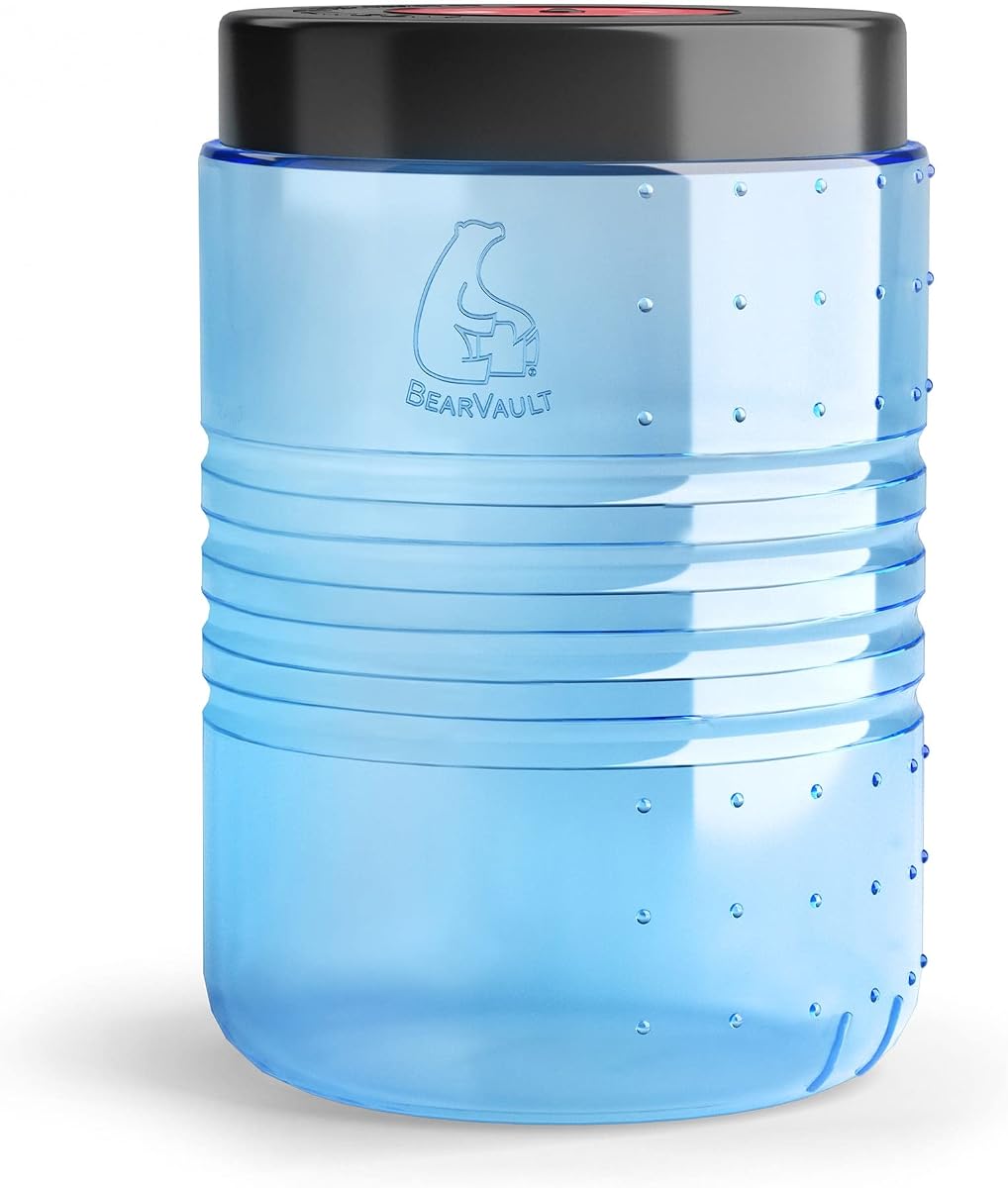
Bear canisters
Most secureRequired in many parks, works without trees, and can't be defeated while you sleep.

Bear-resistant bags (Ursack style)
LightestKevlar bags that tie to a trunk — a fraction of a canister's weight where they're permitted.
Bear spray
Essential in bear countryThe most effective documented deterrent. Carry it on your hip, not in your pack.

Odor-proof bags & liners
Best add-onReduces scent inside a canister or hang, and keeps your pack from smelling like dinner.
Bear bag hanging kits
Best budget optionLine, throw sack, and carabiner sized for a proper PCT-method hang.
Frequently asked questions
Do I really need a bear canister?+
In many national parks and popular wilderness areas it's legally required. Elsewhere it's the most reliable option, especially where bears have learned to defeat hangs.
How high should a bear bag hang?+
At least 12 feet off the ground, 6 feet out from the trunk, and 6 feet below the branch above. Most failed hangs miss at least one of those.
What besides food needs to be stored?+
Toothpaste, sunscreen, lip balm, bug spray, hand sanitizer, medication, trash, dishes, and the clothes you cooked in. Anything with a smell.
What do I do if a bear comes into camp?+
Make noise as a group, look large, and give it a clear escape route. Never approach, never run, and never try to retrieve food a bear has claimed.