
Ice doesn't melt because coolers are bad. It melts because warm food went in, the cooler sat in the sun, and someone opened it eleven times looking for the mustard.
Get the preparation right and even a mid-range cooler will hold safe temperatures for four or five days — long enough for most trips, without spending rotomolded money.
Pre-chill everything
A room-temperature cooler burns a substantial share of your ice just cooling its own walls. The night before, fill it with a sacrificial bag of ice or a few frozen jugs and leave it closed. Dump that ice in the morning and pack with fresh.
Everything going in should already be cold. Chill drinks in the fridge overnight, freeze the meat you'll eat on nights two and three, and freeze water bottles to serve as ice that becomes drinking water later.
- ›Store the cooler indoors, not in a hot garage, in the days before a trip.
- ›Freeze meals flat in bags — they stack tightly and act as ice blocks.
- ›Never put warm leftovers into a cold cooler; chill them first if you can.
Use the right ice in the right ratio
Block ice lasts several times longer than cubed because it has far less surface area. Cubed ice cools faster and fills gaps. The best approach uses both: blocks on the bottom, cubes poured over the top to fill voids.
Aim for roughly two parts ice to one part contents by volume. Under-filling is the classic mistake — an air-filled cooler warms every time you open it, because you're exchanging cold air for hot. Fill remaining space with towels or crumpled newspaper.

- ›Make block ice at home by freezing water in loaf pans or clean milk jugs.
- ›Dry ice extends duration dramatically but needs ventilation and careful handling.
- ›Don't drain meltwater — cold water keeps things colder than the air that replaces it. Drain only if food is floating.
Run two coolers
The single highest-leverage trick in camp food storage is separating drinks from food. The drink cooler gets opened constantly; the food cooler gets opened three times a day. Combined, the drink habit destroys your food ice.
Pack the food cooler in reverse meal order — last night's dinner on the bottom, tonight's on top — so you're never digging. Raw meat always goes on the very bottom in sealed containers so nothing can drip onto ready-to-eat food.
- ›Label a lid with the meal plan so nobody has to excavate to find out what's for dinner.
- ›Use flat sealed containers rather than bags; they stack and won't flood.
- ›Keep a small soft cooler for the day's lunch so the big one stays shut.
Manage the cooler in camp
Keep it in shade all day, and move it as the shade moves. A cooler in direct sun can gain more heat in an afternoon than in the entire drive. Throwing a light-colored blanket or wet towel over it helps considerably.
At night, if temperatures drop below the cooler's interior, crack the lid to let cold air in — then close it before sunrise. Never leave a cooler out overnight in bear country; it goes in a hard-sided vehicle or a bear box.
- ›Elevate the cooler off hot ground on a mat or a couple of sticks.
- ›Keep it off the truck bed, which acts as a heat sink in the sun.
- ›A cheap fridge thermometer inside removes all guesswork.
Stay on the right side of food safety
The danger zone is 40°F to 140°F. Perishables should be kept below 40°F and shouldn't sit out more than two hours — one hour if it's above 90°F. This is the real reason to run a thermometer rather than trusting that the ice 'looks fine'.
Plan menus so fresh meat and dairy are consumed in the first two days, then shift to shelf-stable meals — pasta, cured meats, hard cheeses, rice and beans, dehydrated dinners. It's less to worry about and far less to carry.

- ›Eggs pre-cracked into a sealed bottle keep better and take less space.
- ›Hard cheeses, cured sausage, and butter tolerate warmth far better than their fresh equivalents.
- ›When in doubt, throw it out. Food poisoning at a campsite is genuinely awful.
Recommended coolers & food storage on Amazon
Live Amazon searches for coolers and the accessories that extend their ice life.
As an Amazon Associate we earn from qualifying purchases. DisclosureCampTraffic is a participant in the Amazon Services LLC Associates Program, an affiliate advertising program designed to provide a means for sites to earn advertising fees by advertising and linking to Amazon.com.
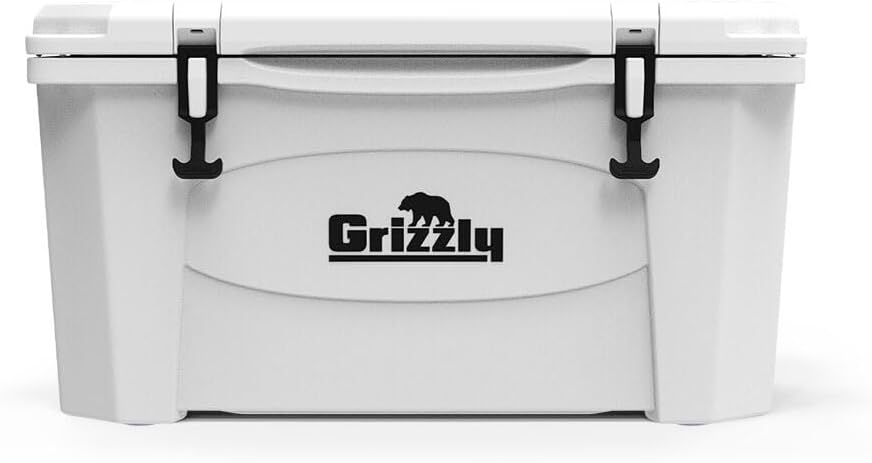
Rotomolded hard coolers
Longest ice lifeThick insulation and gasket lids that genuinely hold ice for five to seven days.

Mid-range camping coolers
Best valueThree to four days of ice at a fraction of the price — enough for most weekends.

Soft coolers & day bags
Best companionThe lunch cooler that keeps the big one closed all day.
Reusable ice packs
No messColder than water ice, no meltwater, and ready again by the next trip.
Cooler baskets & food containers
Best organizerKeeps produce out of the meltwater and stops the cooler becoming a lucky dip.
Frequently asked questions
How much ice do I need?+
About two parts ice to one part contents by volume. Block ice on the bottom, cubes filling the gaps on top.
Should I drain the meltwater?+
No — cold water insulates better than the warm air that would replace it. Drain only if food containers are floating or leaking.
How long will food stay safe?+
As long as the cooler stays below 40°F. With a well-packed quality cooler kept in shade, that's realistically four to seven days.
Is dry ice worth it?+
For long trips, yes — it's far colder and leaves no water. But it needs ventilation, gloves, and care, and it will freeze anything touching it solid.