
A campfire is a small engine. It needs fuel in escalating sizes, oxygen moving through the middle, and enough sustained heat to drive moisture out of the next piece of wood. When a fire fails, one of those three is missing — almost always the second or third.
Learn the sequence once and you'll light fires in the rain with one match, and — just as importantly — put them out properly when you're done.
Check the rules and pick the spot
Before anything else, confirm fires are permitted. Fire bans change daily in dry season, and a single illegal fire can cost thousands in fines and far more in consequences. Check the land manager's website or the ranger station the morning you arrive, not the week before.
Use an existing fire ring wherever one exists — concentrating impact in one scorched spot is the whole point of Leave No Trace fire practice. Clear a ten-foot radius down to mineral soil, look up for overhanging branches, and never build against a boulder, which will scorch permanently.
- ›Buy firewood locally or gather on site where permitted — moving firewood spreads invasive insects.
- ›Never build a new ring if one already exists within reasonable distance.
- ›In high wind, don't build at all. Embers travel much further than people expect.
Gather in three sizes before you strike a match
Tinder catches a spark: dry grass, birch bark, pine needles, milkweed fluff, cotton balls smeared with petroleum jelly, or the dryer lint you brought from home. You want a loose handful — more than feels necessary.
Kindling is pencil-thin to thumb-thick and must snap, not bend. Gather twice as much as you think, because this is the stage where fires die. Fuel wood is wrist-thick and up; you'll want an armful before you begin. If everything outside is damp, split larger pieces and use the dry interior.

- ›The rule of thumb: a hat full of tinder, an armful of kindling, a wheelbarrow of fuel.
- ›Standing dead branches are drier than anything lying on the ground.
- ›Feather-sticks — shavings curled but still attached to a stick — turn wet wood into usable tinder.
Lay it for airflow
The teepee lay is fastest to ignite: tinder in the center, kindling leaned around it in a cone, larger sticks leaned outside that. Heat funnels straight up through the center and the structure collapses into a hot bed of coals. It's the right choice for getting a fire going quickly.
The log cabin lay stacks fuel in alternating pairs around a tinder core. It's slower to catch but burns long and steadily, producing an even coal bed — the better choice for cooking. Many campers start with a teepee inside a log cabin frame and get both.
- ›Leave gaps. A tightly packed fire smothers itself.
- ›Light from the upwind side so the flame is pushed into the fuel.
- ›Build slightly off-center in the ring so you can add wood from the windward side without reaching over flames.
Feed it patiently
The most common mistake is adding fuel too large, too soon. A young fire has almost no thermal mass; a wrist-thick log dropped on it acts as a heat sink and kills it. Escalate gradually — each new size should catch within thirty seconds or so before you move up.
Once you have a coal bed several inches deep, the fire becomes forgiving and will burn damp wood happily. That coal bed, not the flames, is what actually cooks food and radiates heat.
- ›If it's struggling, the answer is almost always more kindling and more air — not more big wood.
- ›Fan gently at the base rather than blowing from above.
- ›Green wood, punky wood, and anything painted or treated: never burn.
Put it dead out
A fire is out when it is cold to the touch, not when the flames are gone. Coals can hold enough heat to reignite for over twenty-four hours, and buried coals have started wildfires days later.
Let the fire burn down to ash if you can. Then pour water on slowly, stir the ashes with a stick, pour again, and keep going until steam and hissing stop entirely. Feel the ash with the back of your hand — if it's warm, it's not done. Never bury a fire; soil insulates coals rather than extinguishing them.

- ›Start extinguishing twenty minutes before you plan to sleep or leave.
- ›Bring a dedicated water container for this — don't rely on leftover drinking water.
- ›Scatter cold ash and pack out any unburned trash, including foil and cans.
Recommended fire-starting gear on Amazon
Live Amazon searches for the gear that turns a difficult fire into a routine one.
As an Amazon Associate we earn from qualifying purchases. DisclosureCampTraffic is a participant in the Amazon Services LLC Associates Program, an affiliate advertising program designed to provide a means for sites to earn advertising fees by advertising and linking to Amazon.com.
Ferro rods & fire starters
Most reliableWorks soaking wet, at altitude, and after your lighter has frozen or run dry.
Waterproof matches & stormproof lighters
Best backupWind- and rain-resistant ignition that still works when a Bic won't stay lit.

Fire starter cubes & tinder
EasiestBurns hot for several minutes, which is exactly what damp kindling needs.
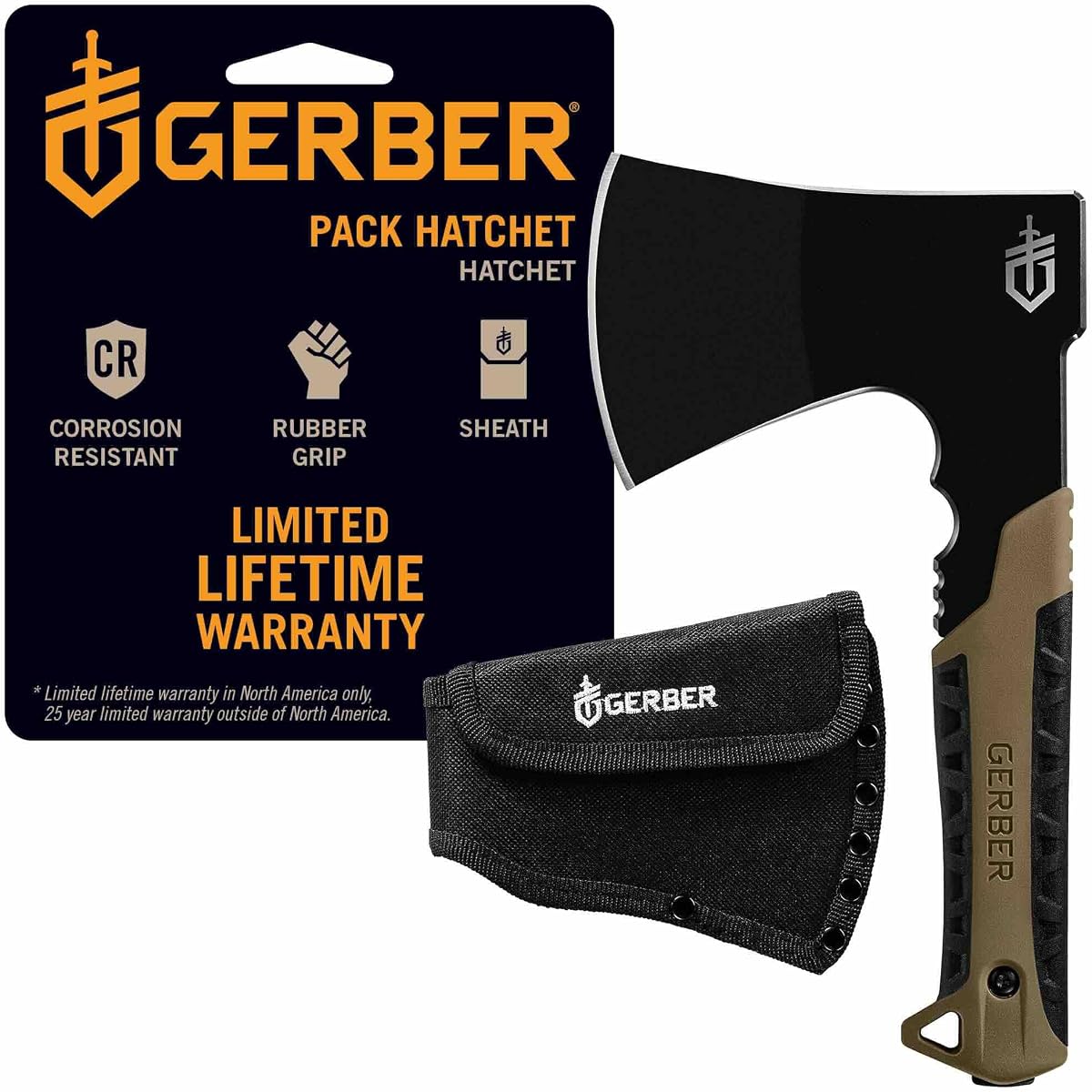
Camp hatchets & folding saws
Best for wet woodSplitting fuel to reach dry interior wood is the whole trick to wet-weather fires.
Fire pits & portable fire rings
Best for dispersed sitesFor sites without a ring, and for backyards where a contained fire is required.
Frequently asked questions
How do I start a fire in the rain?+
Split fuel wood to reach the dry core, use standing dead branches instead of ground wood, bring commercial tinder that burns for several minutes, and build on a platform of bark or sticks to keep the fire off wet ground.
Teepee or log cabin?+
Teepee to get going fast, log cabin for a long, even coal bed. Building a teepee inside a log cabin frame gives you both.
Can I bring firewood from home?+
Usually no. Most states and parks prohibit transporting firewood more than a short distance because it spreads invasive pests. Buy it near the campground.
How long does it take to fully extinguish a fire?+
Plan on fifteen to twenty minutes of dousing and stirring. It's out when the ashes are cool enough to touch.