Fires are unreliable, sometimes banned, and always slow. A stove boils water in three minutes in a rainstorm and turns off when you're done. For most trips it's the more practical way to eat.
The choice comes down to fuel type, because fuel determines cold-weather performance, simmer control, weight, and where in the world you can resupply.
Understand the fuel types
Isobutane canister stoves screw onto a sealed canister and are the default for backpacking: light, cheap, instantly on, and simple. Their weakness is cold. Below roughly 20°F, canister pressure drops and output falls off sharply, though inverted-canister designs with a preheat tube largely solve this.
Liquid fuel stoves burn white gas from a refillable bottle you pressurize by hand. They work at any temperature and any altitude, and the fuel is cheap and available worldwide — but they need priming, occasional maintenance, and they're heavier. Propane two-burner stoves are the car camping standard: heavy, cheap, powerful, and the only realistic way to cook for a group.
- ›Canister: three-season backpacking and simplicity.
- ›Liquid fuel: winter, high altitude, and international travel.
- ›Two-burner propane: any trip where the stove rides in a car.
Decide between integrated and standalone
Integrated canister systems pair a burner with a heat-exchanger pot that locks on. They boil water astonishingly fast and use dramatically less fuel, which matters on long trips. They're purpose-built for boiling water — excellent for freeze-dried meals, poor for anything requiring gentle heat.
Standalone burners screw onto a canister and accept any pot. They simmer far better, cost much less, and weigh a few ounces. If you actually cook rather than rehydrate, buy a standalone burner with a good valve.

- ›Boiling water only? Integrated system, every time.
- ›Real cooking? Standalone burner with a wide, stable pot support.
- ›Remote-canister stoves (fuel line, canister on the ground) are more stable and can run inverted for cold weather.
Estimate your fuel
For solo backpacking with a canister stove, budget roughly 100g of fuel per three to four days of boiling water twice daily. Cold weather, wind, and melting snow can triple that.
Wind is the single biggest fuel waster. A windscreen used correctly cuts fuel consumption substantially — but never fully enclose an upright canister stove, because reflected heat can overheat the canister. Use a partial screen or a natural windbreak.
- ›Weigh partly used canisters at home and mark them so you know what you're carrying.
- ›A lid on the pot cuts boil time by about a third.
- ›Start with cool water rather than snow whenever you can — melting snow is enormously fuel-hungry.
Cook safely
Never run any stove inside a tent or a closed vehicle. Carbon monoxide is odorless and camping fatalities from it happen every year. Cook in a vestibule only with both ends fully open, and preferably not at all.
Set the stove on level ground clear of dry grass. Canister stoves with a pot full of water are top-heavy and tip easily — a wide base or a remote-canister design is meaningfully safer. Let the stove cool fully before packing it away.
- ›Carry a lighter even with a piezo igniter; igniters fail at altitude and in cold.
- ›Check canister threads for grit before attaching — that's where leaks start.
- ›Dispose of empty canisters properly; many outdoor shops recycle them.
Recommended camp stoves on Amazon
Live Amazon searches for each stove category so you can compare current models and prices directly.
As an Amazon Associate we earn from qualifying purchases. DisclosureCampTraffic is a participant in the Amazon Services LLC Associates Program, an affiliate advertising program designed to provide a means for sites to earn advertising fees by advertising and linking to Amazon.com.
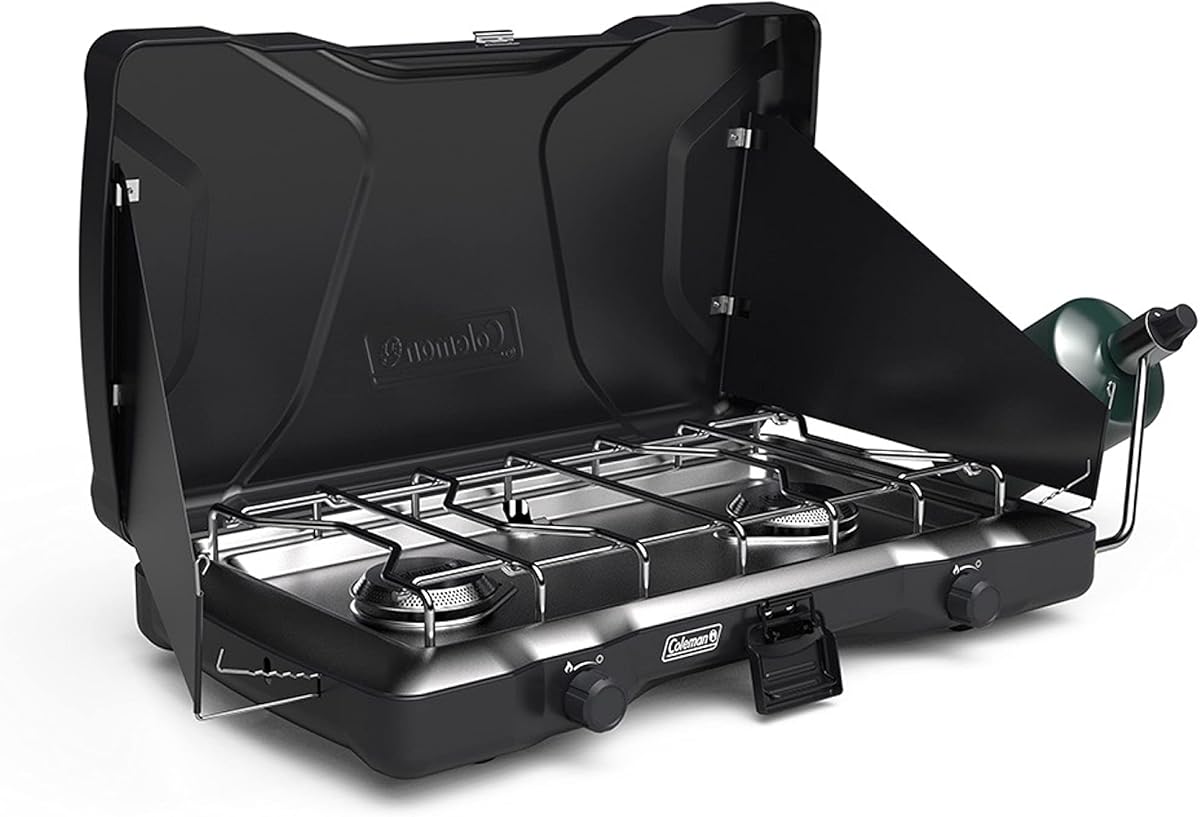
Two-burner propane camp stoves
Best for car campingThe car camping workhorse — real simmer control and enough output for a group breakfast.

Integrated canister stove systems
Fastest boilBoils half a liter in about two minutes and sips fuel. Built for freeze-dried meals.
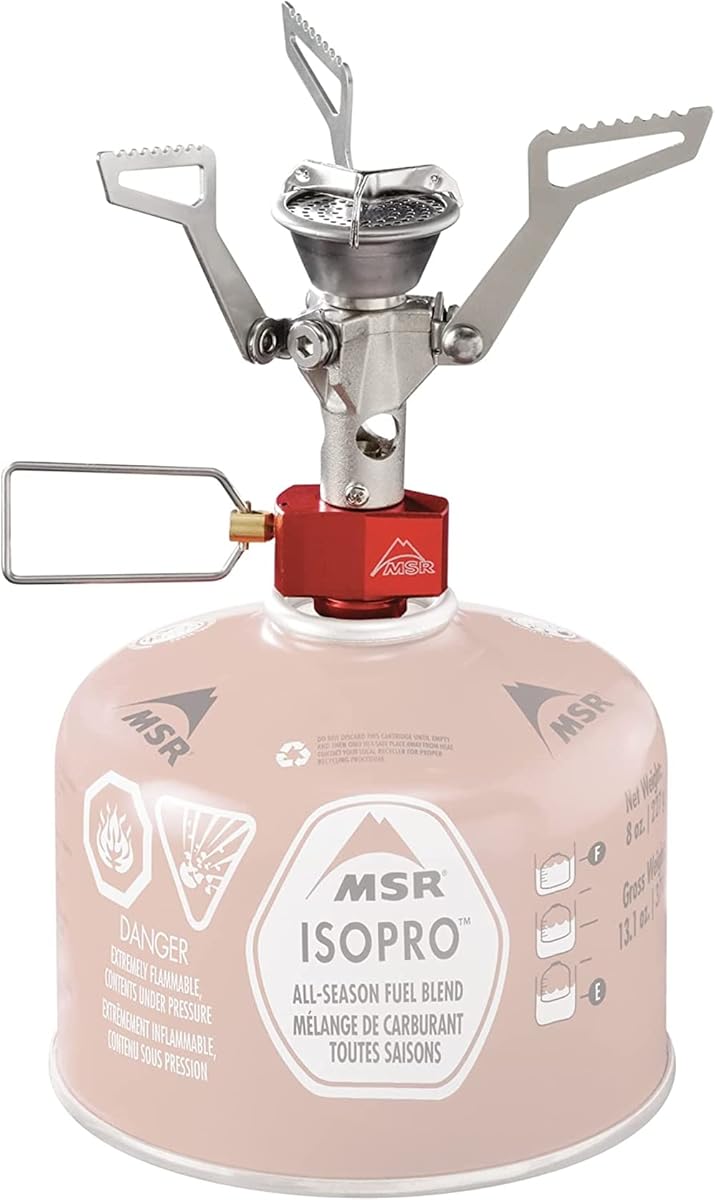
Ultralight canister burners
LightestA few ounces, simmers properly, and fits inside your pot with a small canister.
Liquid fuel & multi-fuel stoves
Best for winterWorks at any temperature or altitude, on fuel you can buy nearly anywhere on earth.

Camp cookware sets
Best add-onNesting pots, a lid that fits, and a handle that doesn't cook your fingers.
Frequently asked questions
Do canister stoves work in cold weather?+
Down to about 20°F they're fine. Below that, output drops sharply. Keep the canister warm in your jacket between uses, or switch to an inverted-canister or liquid fuel stove.
How much fuel should I bring?+
Roughly 100g of isobutane per three to four days of solo boiling twice a day. Double or triple it for cold, wind, group cooking, or melting snow.
Can I cook in my tent vestibule?+
Only if both ends are fully open, and it's still a real risk. Carbon monoxide kills campers every year. Cook outside whenever conditions allow.
Are wood-burning backpacking stoves practical?+
They eliminate fuel weight but need constant tending, blacken your cookware, are useless when everything is wet, and are prohibited under many fire bans.