Two people can camp at the same campground on the same night and have completely different weekends — one next to the bathroom and the generator, the other tucked at the end of a loop against the trees.
Choosing well is a matter of understanding the categories of campground, reading a site map critically, and knowing when the crowds actually show up.
Understand the categories
Developed campgrounds — national and state parks, national forest campgrounds — have numbered sites, picnic tables, fire rings, toilets, and usually potable water. They're reservable, cost roughly $15 to $60 a night, and are the right choice for beginners and families.
Dispersed camping on national forest and BLM land is free, requires no reservation, and has no facilities at all. Primitive and walk-in campgrounds sit between the two. Private campgrounds and RV parks add hookups, showers, laundry, and wifi at a higher price and lower solitude.
- ›Dispersed camping usually has a 14-day limit and requires camping on existing disturbed sites.
- ›Walk-in and hike-in sites at developed campgrounds are dramatically quieter for a few minutes of effort.
- ›Check whether water is turned on — many campgrounds shut it off outside peak season.
Read the campground map critically
Avoid sites adjacent to bathrooms, water spigots, dumpsters, and the entrance road — all of them generate foot traffic and headlights all night. Avoid the loop's inner circle, which typically has the least privacy and the most through-traffic.
Look for end-of-loop sites, sites backing onto trees or water rather than another site, and sites where the map shows more space between neighbors. Check the site's surface too: gravel pads drain well, grass is comfortable, and a site marked for RVs is usually flat, open, and exposed.

- ›Satellite view on a mapping app shows tree cover and spacing far better than the official map.
- ›Read reviews for specific site numbers — campers are generous with this information.
- ›Note the generator hours, which vary and are the main source of campground noise.
Time it to avoid crowds
Arrival on Thursday rather than Friday transforms a busy campground. Sunday and Monday nights are quiet nearly everywhere. Shoulder season — late spring and early fall — offers the best combination of decent weather and empty sites.
Occupancy data is the most reliable way to do this without guessing. Knowing that a campground is running at 40% next weekend and 95% the following one is more useful than any amount of general advice about avoiding holidays.
- ›Holiday weekends are worth avoiding entirely unless you booked months ago.
- ›Higher-elevation campgrounds stay quieter longer into the season.
- ›The campground one exit further from the highway is almost always emptier.
Book strategically
Most federal campgrounds release reservations six months ahead on Recreation.gov, at a fixed time in the morning, and the best sites at popular parks are gone within minutes. Set a reminder, know your target site numbers in advance, and have your account logged in.
Cancellations are the underrated path in. People cancel constantly, particularly two weeks out and again a few days before. Checking daily for a week will often surface a site at a 'fully booked' campground.
- ›Have three site numbers ranked before the release opens.
- ›Check first-come-first-served campgrounds mid-morning when the previous night's campers leave.
- ›Know the cancellation policy — most refund minus a fee up to a few days out.
Match the campground to the trip
Be honest about what you're actually going for. A trip built around hiking wants a campground near trailheads. A trip about swimming wants lake access. A trip with young kids wants flush toilets and a playground far more than it wants seclusion.
And check the practical constraints before you commit: road surface and whether it needs clearance, cell coverage if you need it, maximum RV or trailer length, pet rules, quiet hours, and whether campfires are currently permitted at all.

- ›Call the ranger station — they'll tell you honestly which loops are quiet.
- ›Check road conditions in spring; high-elevation access roads open late.
- ›Have a backup campground picked out. Plans change at the trailhead.
Recommended campground gear on Amazon
Live Amazon searches for the gear that makes a developed campsite comfortable.
As an Amazon Associate we earn from qualifying purchases. DisclosureCampTraffic is a participant in the Amazon Services LLC Associates Program, an affiliate advertising program designed to provide a means for sites to earn advertising fees by advertising and linking to Amazon.com.

Camp chairs
Most usedYou'll spend more hours in this than in your tent. Buy the comfortable one.

Portable camp tables
Best add-onFor sites without a picnic table, and for a second surface where there is one.
Shade canopies & screen shelters
Best for summerSun in the afternoon, bugs at dusk — a screen shelter fixes both.
Portable camp showers
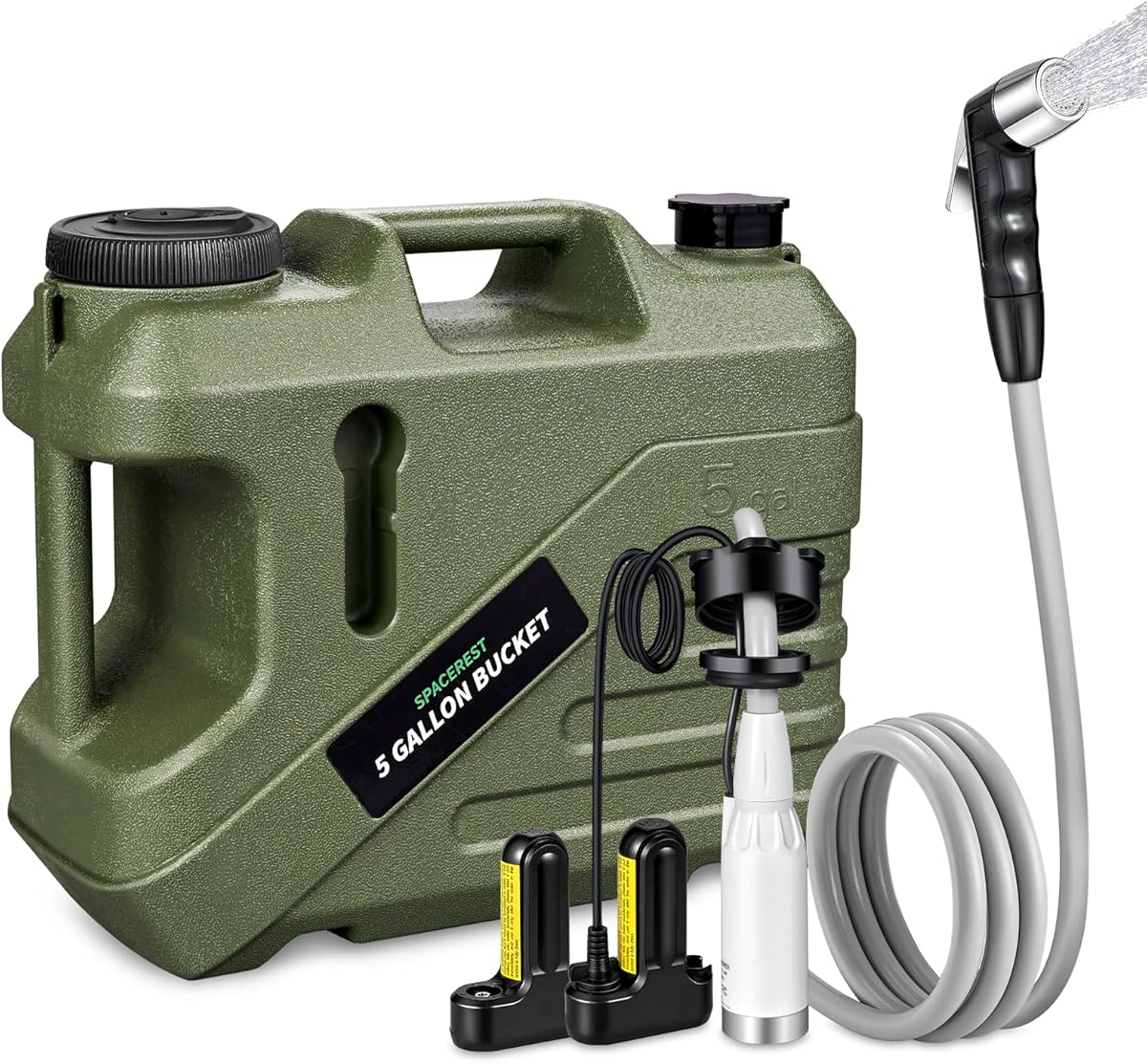
Best comfortSolar bags and pump showers for campgrounds without facilities.
Outdoor rugs & doormats
UnderratedKeeps dirt and pine needles out of the tent, which matters more than it sounds.
Frequently asked questions
How do I find a quiet campsite?+
Look for end-of-loop sites backing onto trees or water, away from bathrooms, spigots, and the entrance road. Arrive mid-week and check occupancy data before you book.
What's the difference between developed and dispersed camping?+
Developed campgrounds have numbered sites, tables, fire rings, and toilets, and cost money. Dispersed camping on public land is free with no facilities and usually a 14-day limit.
How far ahead do campgrounds book?+
Most federal campgrounds open reservations six months out, and popular parks fill within minutes. Cancellations open up constantly, though — check daily in the two weeks before your date.
Can I camp for free?+
Yes — dispersed camping on most national forest and BLM land is free. You'll have no facilities, so you need to be self-sufficient for water and waste.